






and as I browsed through her website
I remember thinking,
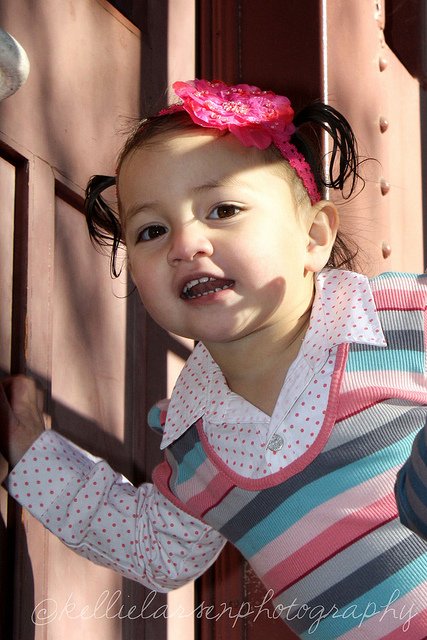
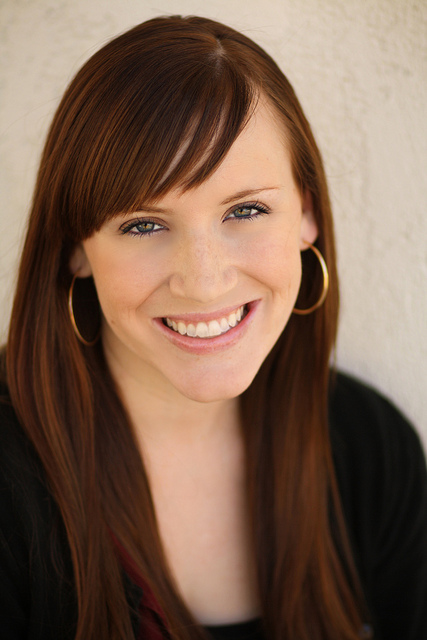
Wow, I want to take photos like this chic.
If only I could get up the nerve to take my camera off auto.
And if you read this post, then you know my picture taking methods are a bit…well, elementary {for lack of a better word}.
So after chatting with Kellie a bit about my
ridiculous fears of the “manual” setting,
she decided to put together this amazing post
to help us all take the plunge.
Seriously, this post is like GOLD! Thank you Kellie!
****************************
10 Steps to Ditching Full-Auto
(and improving your photos)
Do you own a nice,
expensive camera,
yet still shoot in Full-Auto?
If so, you’re possibly feeling overwhelmed by all of the settings and buttons on your camera. Or maybe it is because you don’t see the point in taking your camera off of Auto Mode since your camera must know more than you, right?
Wrong!
I wrote this tutorial in hopes of making you feel empowered. I’m giving you 10 tips to help you to learn to use your DSLR and improve your photography skills. You are smarter than your camera and with some work the quality of your photos will improve greatly!
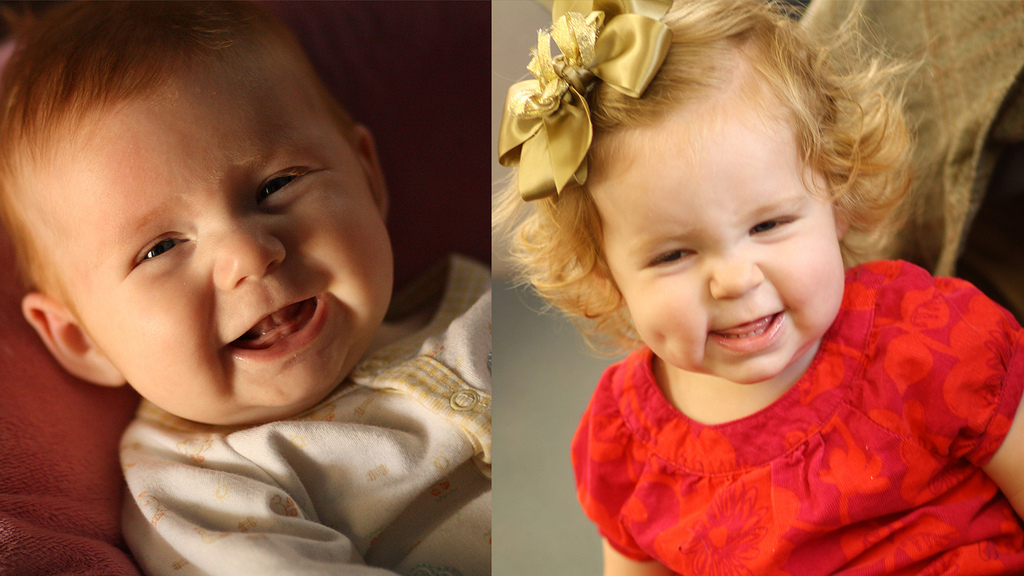
They’re a year apart and so much fun!
I wouldn’t change a thing.
who just so happens to be my best friend and such a good dad!
We also love a relaxing day at home.
But mostly we just like to be together.
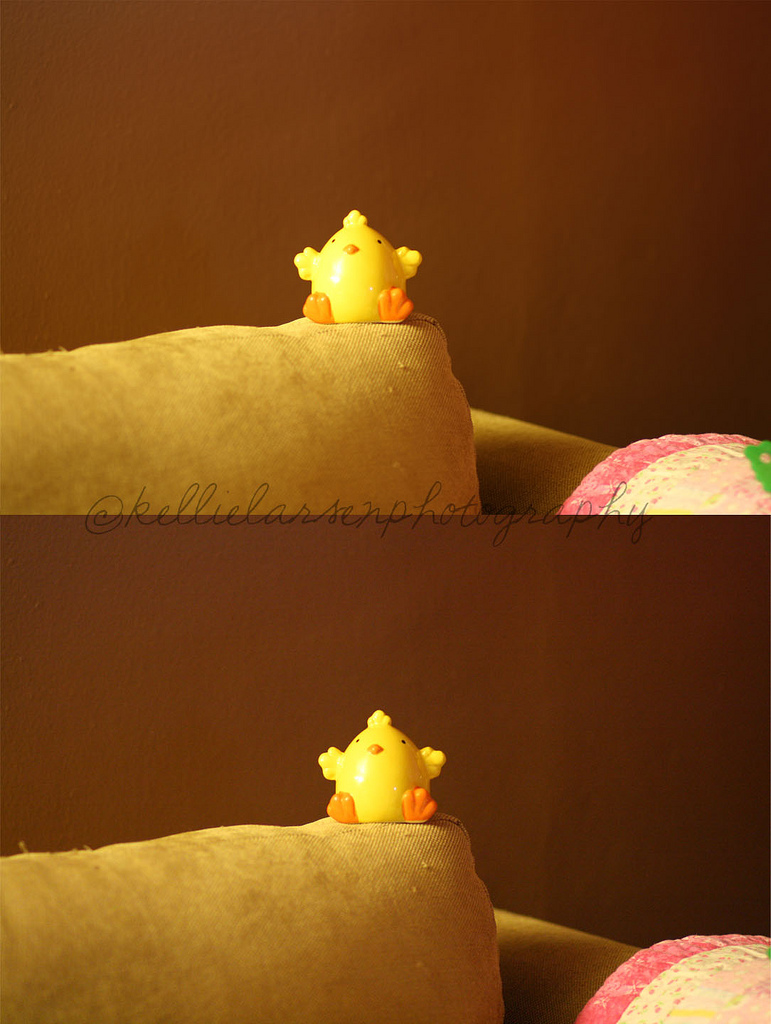
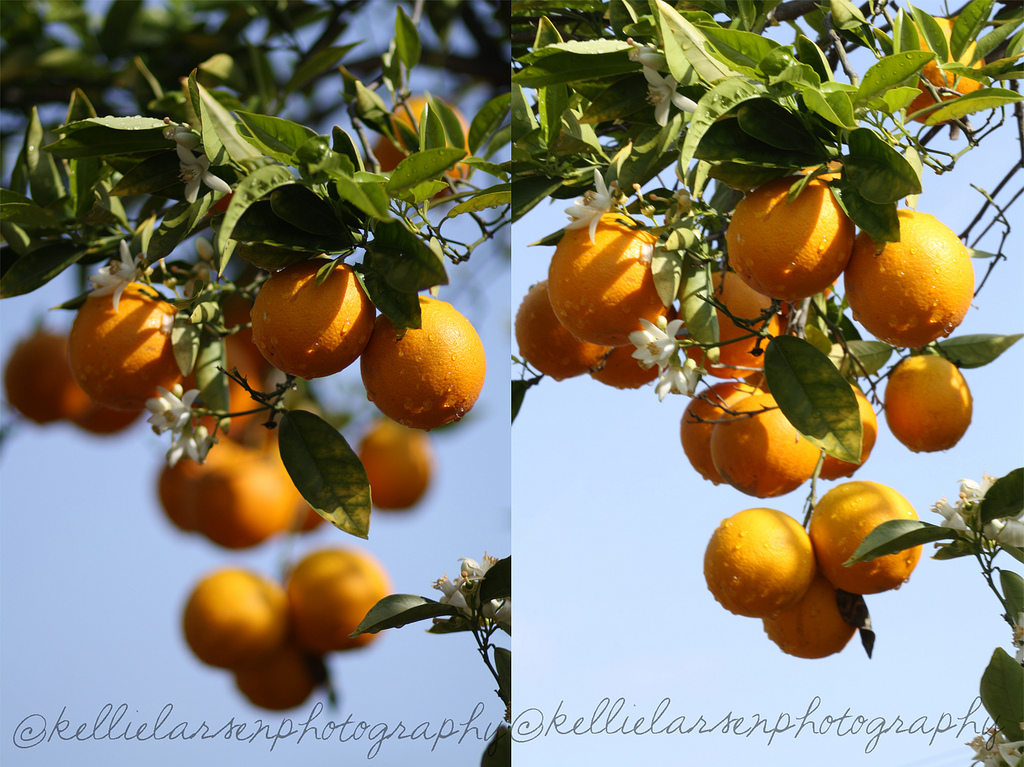
Aperture (Av): Controls the how blurry or clear your background and foreground are. If you want to control the amount of blur-effect then set your camera to Av Mode. The lower your f-number, the more blurry your background and foreground will be. The left photo was taken with a low f-number (F1.8). The right photo was taken with a high f-number (F20).
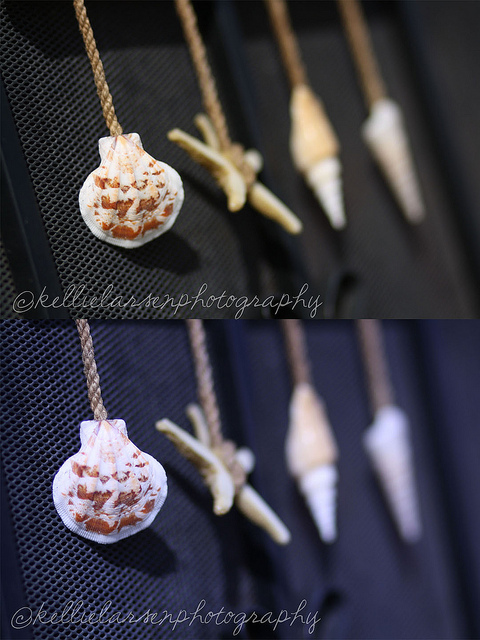
Shutter Speed (Tv): Controls the motion blur of your subject. If you want to control the amount of motion blur then set your camera to Tv Mode. The Shutter Speed is measured in seconds. 1/500 means 1/500th of a second is how long the shutter will be open. Most shutter speeds range from 1/4000 to 30 seconds. The longer your shutter is open, the more motion blur you will get. The left photo was taken with a longer shutter speed (1/25). The right photo was taken with a shorter shutter speed (1/3200). You might need a tripod for longer shutter speeds to avoid unwanted blur due to camera shake. Also, if your photos come out too exposed (too bright) then shorten your shutter speed.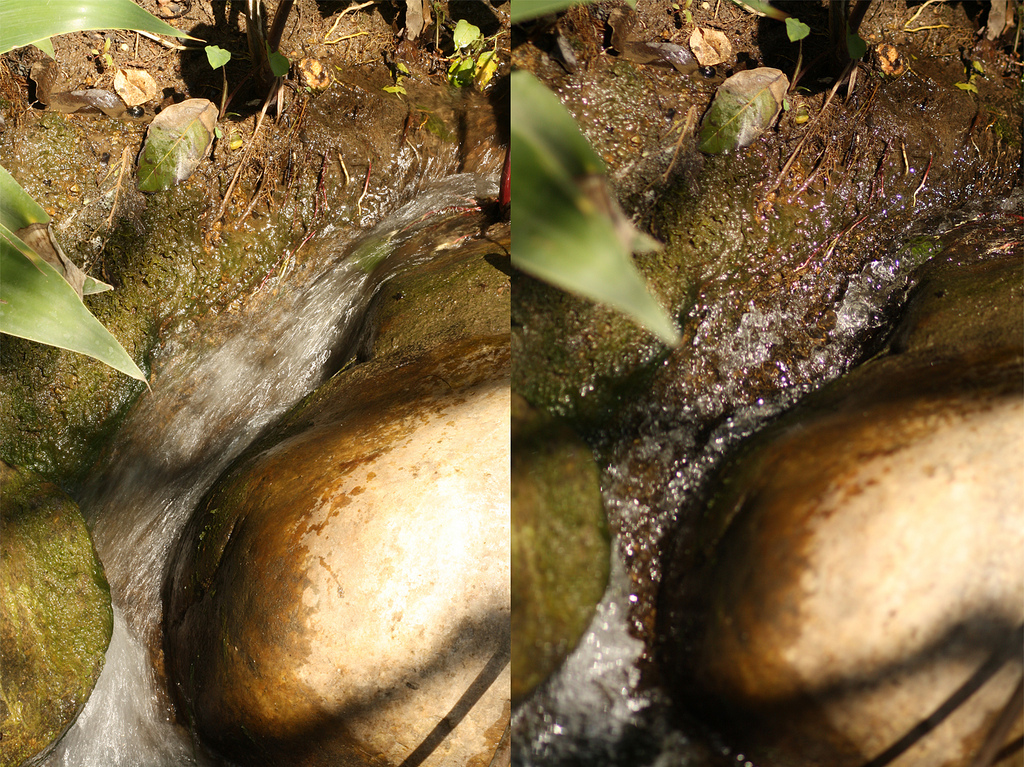
Manual Mode (M): Play with it if you want but I stick with Av and Tv most of the time.
In Auto mode your camera will focus on the closest subject. Because you may not always want this you can change your camera’s Auto Focus Mode to focus where you want. Refer to your instruction manual under Focusing\AF-mode. Follow the instructions to have it focus on the center square. Now you can look through your viewfinder and choose what you want to focus on.
Place the center square over your subject, press and hold the shutter button halfway (the button you use to take the picture), then press the button the rest of the way. As long as the shutter is held halfway the focus will stay the same.


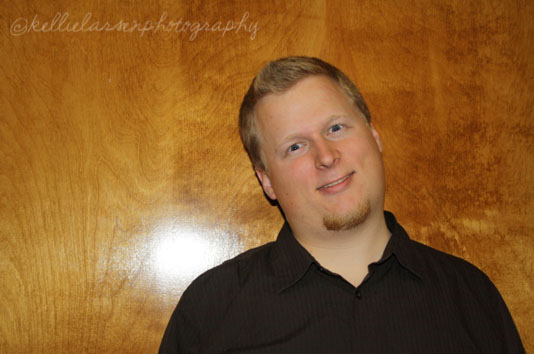
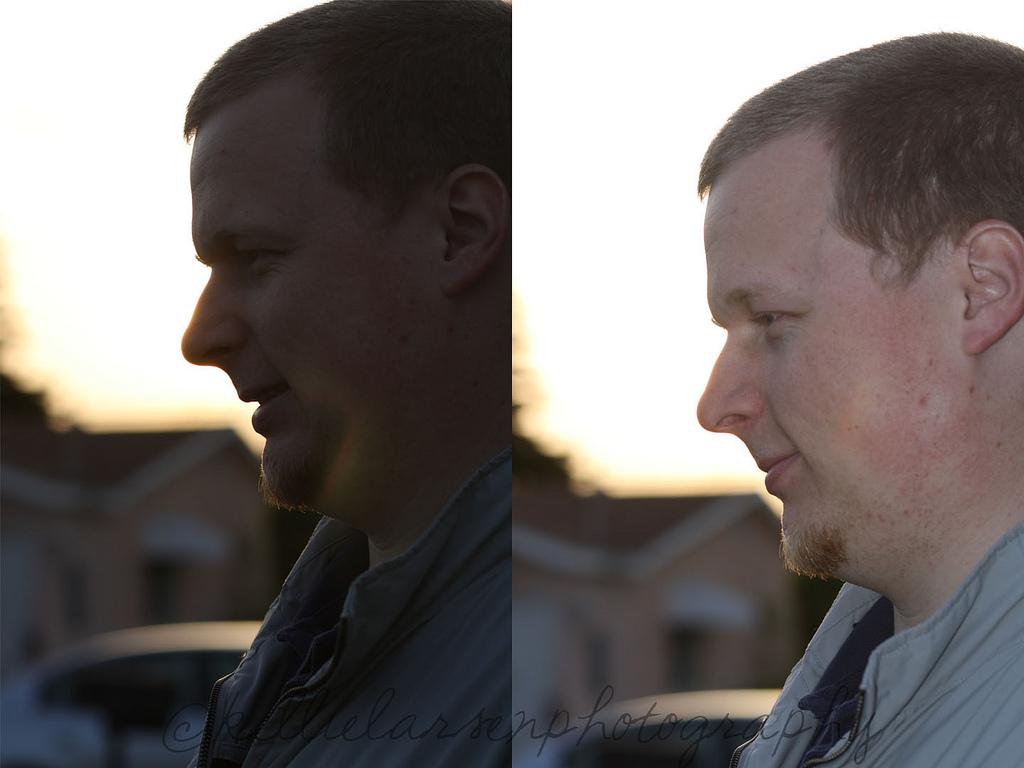
The best philosophy when it comes to the flash is: use it when you have to, avoid it when you can. Your photos will look so much better in natural light. Sometimes the flash can be your friend but, for the most part, a flash creates unflattering and unnatural shadows. If you are in a low-light situation, first try lowering your f-stop or increasing your shutter speed OR bumping up your ISO. If you need to use your flash then use it, but only as a last resort.
4. Shade